
0207 490 2311
Phone for sales and support

Jamie Harper
Spend days duking it out with synonyms, sometimes for global brands.
Why your writing isn’t finished when you think it is
Development
eCommerce
Design
Property
Copywriting
Careers
Web 101

Great writing will set you apart.
Great writing will set your business apart.
Worth getting it right then.
The trouble is we live in a world that demands immediacy. Millions of words are printed, published and emailed every single hour. But here’s the thing. Making your words stand out is about moving slower, not faster.
Words of wisdom from David Ogilvy
David Ogilvy is a name you might recognise. Born in 1911 he became the most revered advertising copywriter ever. In 1948 he founded Ogilvy & Mather, an advertising agency that is still huge. Ogilvy’s principles of good writing are still widely preached today.
On September 7th 1982, Ogilvy sent an internal memo to his employees. It opened with a simple piece of advice for his staff:
“The better you write, the higher you go in Ogilvy & Mather. People who think well, write well.”
Ogilvy then offered ten tips to point his staff along the path to better writing. Among them was this nugget of wisdom:
“Never send a letter or a memo on the day you write it. Read it aloud the next morning — and then edit it.”
It would be interesting to see how Ogilvy rationalised that piece of advice in the digital age of email and instant messaging. Yet it’s a tip that remains watertight for other forms of writing. Your blog posts, for example. Or your classified ad. Or the ABOUT US page on your website.
Don’t rely on your eyes. Sometimes you can’t trust them.
Eyes are funny old things. Sometimes they see what you think is there, not what’s actually there. That’s especially true when you have been working on a piece of writing. When you try to proof a document you have been working on as soon as you think it’s finished, you don’t spot the typos. You don’t spot the grammatical errors. Your eyes just read what you think you’ve written.
That’s dangerous. Typos and grammar monsters suck. They damage your credibility as a writer; they damage your credibility as a business. There are way too many pedants out there to take the risk. Besides, you want your message to be as sharp as possible, don’t you?
» People don’t understand your writing. It takes balls to fix it.
Think your writing is ready? Step as far away as possible.
Like Ogilvy said, wait until the next day before doing anything. It gives your brain time to readjust and means that, when you go back to edit, your eyes will be fresh enough to spot any errors. If it’s important, it can wait a day.
Boss barking at you? Got a print deadline? Okay. If you can’t wait a day to edit your document, get away from your desk and do something completely different before you submit anything. Make a cuppa for your colleagues. Do some Sudoku. Engage your brain with something different.
Get away from the document for as long as you can. Then go back and edit. And if it’s important - which it is - get a friend/colleague to give it the once over too. (Hey, our copywriters can help.)
Final thought: while most people under-edit their work, don’t fall into the trap of editing yourself into a frenzy. Your words have to fly the nest at some point. If you feel you have done your best - and you have given yourself some distance from your document before editing - then it’s done. Trust in your ability. Move on.
Make your dent in the www. Hire our copywriters.
More posts in:

Copywriting
Want persuasive copy? Stop thinking about yourself.
Question: People come to your website to read about your business, right?
Wrong.
They come to find the answer to a problem.
Copywriting
Why you should and shouldn’t write your own content
Sometimes the closer you are to something, the less you are able to see it.

Copywriting
Want to rank well in Google? Stop freaking out about keywords.
So you want to appease Google in a post-Hummingbird world? Keywords matter way less than most people realise.

Copywriting
Is your content really ignored? The truth about scan-reading online.
You know all that painstakingly crafted content on your website? Yeah, your visitors aren’t reading it. At least that’s what a number of experts would have you believe. Wrongly, in our opinion.

eCommerce
3 Mobile Commerce Trends To Watch
Mobile commerce or as m-commerce is here to stay. The industry has seen some major growth in the last two decades.

Design
Colour wheel basics
The colour wheel is comprised of 12 core colours or hues. Learning how to use this wheel can help make those art directed choices.

Development
Property
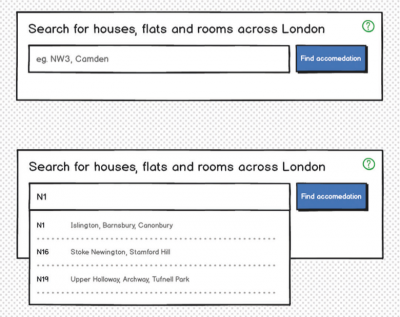
Local Space housing association site launch
We have been working with the Local Space Housing Association group over the past few months, and are very happy to launch their new site for them and their tenants.
Design
Development
Property
Property showcase site, teaser #1
Over the next few days we will be building to our launch of our latest property showcase site.

Design
6 web design trends to look out for in 2014
This month, we have have decided to round up some trends appearing online for 2014.
Design
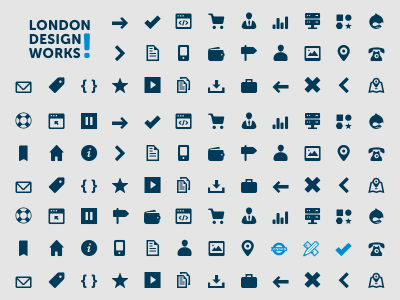
Freebie: The London Design Works 35 piece icon set
Today we are pleased to feature a set of 35 useful and beautiful web site icons.
Development
eCommerce
5 tips to a successful eCommerce site.
Creating a fantastic eCommerce site can be easier than you think with our top 5 tips to success.
eCommerce
Ways To Increase Customer Retention For Your Website
What does customer retention mean? It is the act of getting more customers to stay loyal to you and continue to buy from you overtime.
